From Bangalore to Antwerp: An International Research Journey
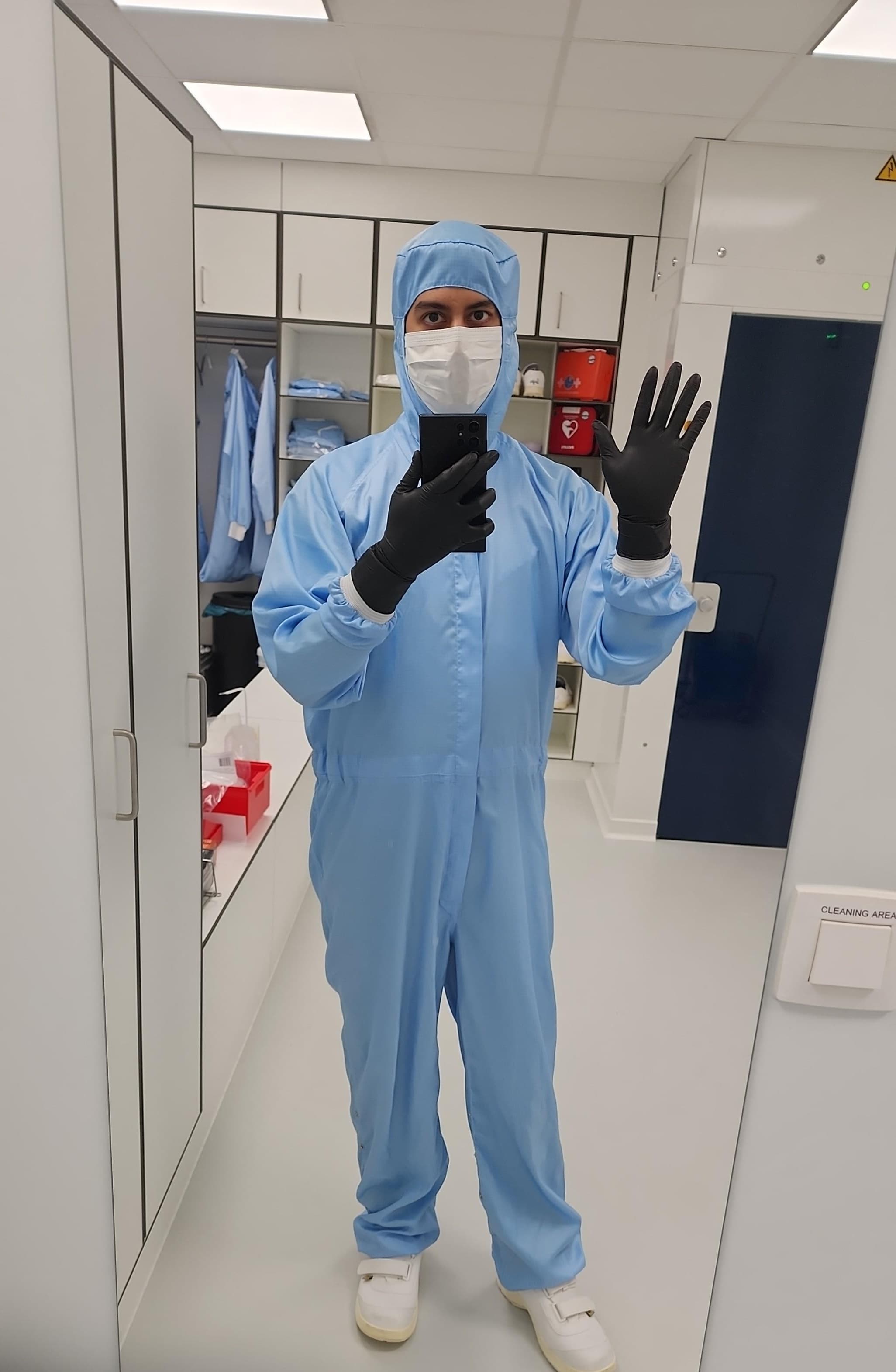
My research journey has taken me from Bangalore, India to Aachen, Germany to Antwerp, Belgium. More than geographic movement, this represents a transformation—personal, professional, and intellectual.
The Beginning: Bangalore (2013-2016)
I started my undergraduate studies at Christ University in Bangalore in 2013, pursuing a degree in Physics, Chemistry, and Mathematics.
Indian Undergraduate Education
The Indian education system emphasizes:
- Breadth over depth: Covering multiple subjects simultaneously
- Examination focus: Success measured primarily through exams
- Theoretical foundation: Strong mathematical and conceptual training
- Large classes: Limited one-on-one interaction with professors
This system builds strong fundamentals but offers limited research exposure.
Early Research Experience
In 2016, I had two formative research experiences:
Christ University Project Working on a monograph about Mathematics Using Maxima—computational mathematics software. This introduced me to the intersection of mathematics, computation, and practical problem-solving.
Radboud University A summer research position studying Women's Self-Help Groups in Karnataka's Kolar region. While far from physics, this taught me:
- Systematic data collection
- Statistical analysis
- Research methodology
- Scientific writing
The First Publication
Also in 2016, I co-authored my first research paper on high-temperature superconductors—synthesis and characterization of BiCaSrYCuO compounds.
The thrill of seeing my name on a publication was intoxicating. I wanted more.
The Transition: Moving to Germany (2017)
Deciding to pursue a Master's in Europe was daunting. The application process, visa requirements, financial planning—each step felt overwhelming.
Culture Shock
Arriving in Aachen in 2017, everything was different:
Language Despite courses being in English, daily life was German. Simple tasks—buying groceries, navigating bureaucracy, making friends—became challenges.
I started with elementary German (eventually earning Duolingo certification), but progress was slow. Scientific discussions in English while ordering coffee in broken German created a strange linguistic split.
Academic Style German universities emphasize independence. Professors expected me to:
- Define my own learning path
- Seek out research opportunities
- Take initiative without prompting
This was liberating but initially disorienting.
Social Norms Everything from punctuality expectations to communication directness differed from India. Small cultural misunderstandings created awkward moments.
Finding My Place
Gradually, Aachen became home:
- International student community: Friends from around the world
- Research lab: A place where I belonged
- Routines: Favorite cafés, weekend hiking trails, regular meetups
The transition from "foreign student" to "researcher who happens to be in Germany" was gradual but profound.
RWTH Aachen: Becoming a Researcher (2017-2020)
My Master's at RWTH Aachen University transformed how I approached physics.
From Student to Researcher
The shift wasn't just about knowledge—it was about identity. I stopped asking "What do we know?" and started asking "What can we discover?"
Working on JUNO's data acquisition system, I contributed to real experiments. Code I wrote would be used. Measurements I made would matter.
This wasn't practice. This was physics.
Forschungszentrum Jülich
The appointment at Jülich research center in 2019 exposed me to large-scale research infrastructure—equipment worth millions, teams of specialists, collaborations spanning continents.
The scale was humbling. And inspiring.
Belgium: Doctoral Research (2021-2025)
In 2021, I moved to Antwerp, Belgium to begin doctoral research in gravitational wave physics.
Antwerp: A Different Culture
Belgium brought new cultural experiences:
Multilingualism Antwerp is in Flanders, the Dutch-speaking region. Many locals speak Dutch, French, English, and German. My elementary German sometimes helped; my non-existent Dutch did not.
Research Environment The University of Antwerp's gravitational wave group was small but world-class. Close collaboration with my advisors contrasted with the more independent German model.
Work-Life Balance Belgian culture emphasizes work-life balance more than German efficiency culture. This took adjustment—feeling guilty for leaving the lab at reasonable hours, learning that productivity isn't measured in hours at desk.
Becoming Dr. Koushik
The PhD journey has been:
- Intellectually challenging: Pushing the boundaries of my understanding
- Professionally formative: Learning collaboration, publication, presentation
- Personally transformative: Building resilience, independence, confidence
November 19, 2025—defense day—represents the culmination of this journey.
The Privilege of Mobility
My international research career represents privilege:
Financial Support
Research positions with living stipends made this possible. Many talented scientists worldwide lack these opportunities.
Visa Access
Indian passport holders face significant visa barriers. EU research positions provided pathways otherwise difficult to access.
Family Support
My family supported decisions that took me thousands of kilometers away. Not everyone has this backing.
Language Advantage
English proficiency—thanks to India's education system—gave me access to international science. This isn't universal.
What I've Learned
A decade of international research has taught lessons beyond physics:
Adaptability
Every move required adapting to new systems, new expectations, new norms. This flexibility has become second nature.
Communication Across Cultures
Working with colleagues from dozens of countries taught me that:
- Direct communication isn't rude; it's efficient
- Silence doesn't mean agreement
- Humor doesn't always translate
- Patience and clarity matter more than eloquence
Multiple Perspectives
Exposure to different research cultures, education systems, and approaches enriched my thinking. Problems have multiple solutions; methods are culturally shaped.
Home is Fluid
I don't have a single home anymore. I have:
- India: Where family is, where I'm from
- Germany: Where I became a researcher
- Belgium: Where I completed my PhD
- Physics: The community that transcends geography
Challenges of International Research Life
It's not all positive:
Distance from Family
Missing weddings, birthdays, family gatherings. Video calls help but don't replace presence.
Visa Uncertainty
Research contracts are temporary. Visa renewals create stress. Long-term planning is difficult.
Cultural Isolation
Even with international friend groups, sometimes I crave familiar cultural contexts—food that tastes like home, conversations in Kannada, shared cultural references.
Career Instability
The postdoc career path is uncertain. Where will I be in five years? I don't know.
Advice for Aspiring International Researchers
For students considering international research careers:
Before Leaving
- Learn the language: Even basic proficiency helps immensely
- Research the culture: Understand academic and social norms
- Build a support network: Connect with others who've made similar moves
- Manage expectations: The transition will be harder than you think
During the Transition
- Give yourself time: Adaptation takes months, not weeks
- Seek community: Find people who understand your experience
- Maintain connections: Regular contact with family and friends back home
- Embrace discomfort: Growth happens outside comfort zones
Long Term
- Stay flexible: Career paths are rarely linear
- Build diverse skills: Technical excellence isn't enough
- Create your own community: Don't wait to be included; build connections
- Remember why you started: When it's hard, recall your motivations
Looking Forward
As I prepare to defend my PhD and seek postdoctoral positions, the journey continues. Where next? Perhaps back to Germany, maybe the United States, possibly India.
The future is uncertain. But I've learned to embrace uncertainty.
Physics is a global endeavor. Gravitational waves don't care about borders. The universe we study transcends nations, cultures, languages.
And perhaps that's the greatest gift of international research: joining a community united not by geography but by shared curiosity about the cosmos.
Gratitude
This journey has been made possible by:
- Family: Supporting decisions they didn't always understand
- Mentors: Advisors who saw potential and provided opportunities
- Collaborators: Colleagues who taught and challenged me
- Friends: Making foreign places feel like home
- Institutions: Universities and research centers investing in my development
To anyone reading this from wherever they are: your path will be unique. Embrace it.
Written as I prepare for PhD defense, November 2025